


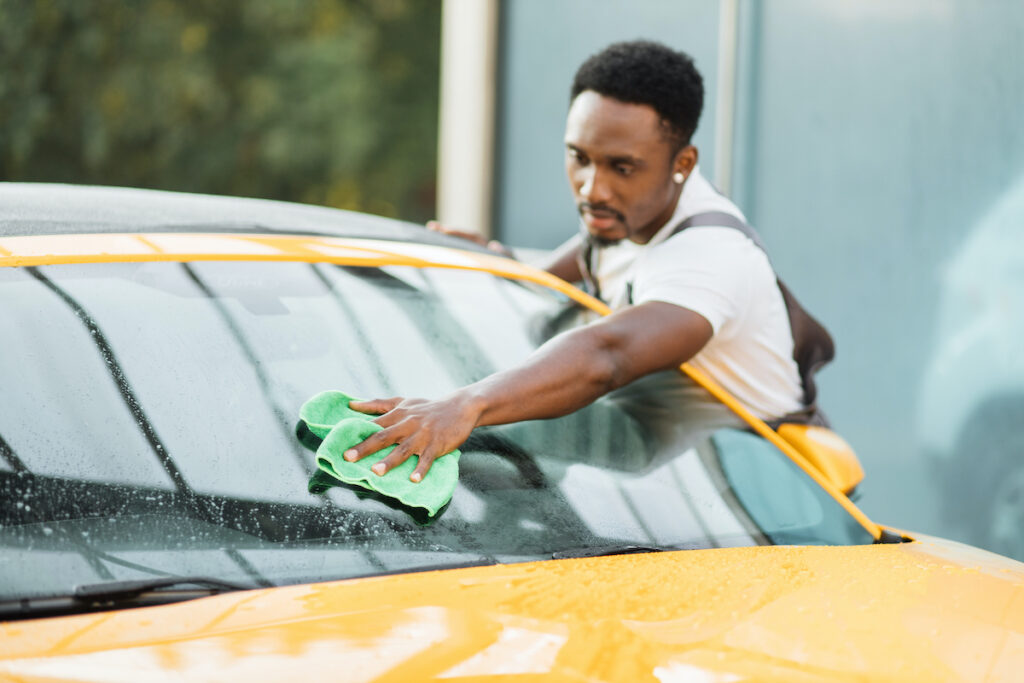
Car detailing has become increasingly popular, with many enthusiasts and everyday drivers taking on the task themselves. However, even seasoned veterans can make mistakes that compromise their results. Proper detailing isn’t just about achieving a glossy finish; it’s about preserving your car’s value and extending its lifespan. This guide will help you avoid common detailing pitfalls and achieve professional-level results.
The Crucial Pre-Wash Phase
Don’t Underestimate the Pre-Wash Rinse
One of the most overlooked steps in car detailing is the pre-wash rinse. Many detailers, even experienced ones, underestimate its importance. Skipping this step can lead to microscopic scratches as dirt particles become abrasive during the washing process. Always thoroughly rinse your car to remove loose dirt and debris before washing.
Water Temperature Matters
Water temperature plays a more significant role than many realize. Using water that’s too hot can strip protective coatings, while cold water may not effectively break down road grime. The ideal temperature range is between 15-35 degrees Celsius (60-95°F). Make sure your water is in this range for optimal cleaning.
Soap Dilution Ratios
Using too much soap doesn’t equate to better cleaning. It can actually leave residue that’s difficult to remove and may damage your vehicle’s clear coat over time. Always follow the manufacturer-recommended dilution rates for your car soap. More soap does not equal better cleaning.
Avoiding Cross-Contamination
Separate Mitts for Different Areas
A frequent mistake is using the same washing mitt across different areas of the vehicle. Using the same mitt that cleaned your wheels to wash your hood is a recipe for disaster. Always use separate mitts for wheels and the car’s body. Think of it like using a dirty dish sponge to clean your dining table.
Tool Contamination
When detailing tools fall to the ground, many quickly rinse them off and continue working. This can introduce tiny particles that cause swirl marks and scratches. Always have backup tools and retire any that have been contaminated. Never risk scratching your car.
The Necessity of Grit Guards
Grit guards in separate wash and rinse buckets aren’t a luxury; they’re a necessity. These simple devices prevent contaminated water from being reintroduced to your washing mitt, significantly reducing the risk of paint damage. Use two buckets with grit guards to help keep the water clean.
Mastering Paint Correction
Machine Polishing Techniques
Machine polishing is technical, and pad pressure can make or break results. Too much pressure can generate excessive heat, potentially burning through the clear coat, while too little pressure might not achieve the desired correction. Be careful with the pressure you apply.
Compound Combinations
Using aggressive compounds on soft paint or gentle polishes on hard paint will either damage the surface or yield unsatisfactory results. Understanding your vehicle’s paint characteristics is crucial for selecting appropriate products. Do some research on your car’s paint type.
Machine Speed Settings
Machine speed settings vary depending on paint type, pad choice, and correction stage. Many detailers stick to a single speed setting throughout the entire process, missing opportunities for better results. Adjust the speed as needed throughout the process.
Paint Inspection Oversights
Proper lighting during paint inspection is often inadequately addressed. Relying solely on natural light or poorly positioned artificial lighting can mask defects. Use professional-grade inspection lights from multiple angles.
Paint Thickness Measurements
Paint thickness measurements require proper interpretation. Simply taking readings without understanding the implications of varying thickness across panels can lead to aggressive correction in areas that can’t support it. Be careful when correcting thin areas of paint.
Weather Conditions
Weather conditions significantly impact paint correction results. High humidity, extreme temperatures, or direct sunlight can affect compound behavior and curing times. Pay attention to the weather when detailing.
Avoiding Interior Detailing Pitfalls
Cleaning Product Selection
Using inappropriate cleaners on different surfaces is a common error that can lead to permanent damage. All-purpose cleaners might seem convenient, but they can harm delicate surfaces. Use specific cleaners for each type of surface.
Over-Saturating Upholstery and Carpets
Over-saturating upholstery and carpets during cleaning is a frequent mistake. Excess moisture can lead to mold growth and unpleasant odors. A methodical, less-is-more approach often yields better results. Don’t use too much water.
pH-Balanced Leather Products
The importance of pH-balanced products for leather surfaces cannot be overstated. Harsh cleaners can strip natural oils, leading to premature aging and cracking. Use pH-balanced cleaners on leather.
Proper Ventilation
Proper ventilation during interior cleaning is often overlooked. Inadequate airflow can lead to prolonged drying times and potential health hazards from cleaning chemical fumes. Always make sure you have good ventilation.


Steam Cleaning Techniques
Steam cleaning, while effective, requires proper technique. Holding the steam nozzle too close to surfaces or moving too slowly can cause heat damage. Don’t hold the steam nozzle too close.
Extraction Methods
Extraction methods for deep cleaning require patience and proper technique. Rushing the process or using incorrect patterns can leave behind residual moisture and cleaning agents. Take your time and use the proper technique.
Protection and Finishing Errors
Environmental Conditions for Coatings
Environmental conditions play a crucial role in ceramic coating application. Temperature, humidity, and dust levels must be carefully monitored for optimal results. Pay attention to the environment when applying coatings.
Surface Preparation
Surface preparation requirements extend beyond basic cleaning. Neglecting proper paint decontamination and polishing before coating application can lead to poor bonding and reduced longevity. Prepare the surface thoroughly.
Curing Times
Curing times for ceramic coatings are frequently misunderstood. Exposure to water or environmental contaminants during the curing period can compromise the coating’s effectiveness. Follow all instructions when applying coatings.
Post-Coating Care
Post-coating care procedures require specific attention. Using inappropriate washing techniques or aggressive cleaners can degrade protective coatings prematurely. Use proper techniques and cleaning products.
Maintenance Washing Techniques
Maintenance washing techniques should be adjusted based on the type of protection applied. Many detailers continue using pre-coating washing methods, potentially diminishing the benefits of their protective treatments. Adjust your washing based on your protection.
Regular Protection Inspections
Regular protection inspections are often neglected. Periodic checks can identify areas requiring attention before major issues develop, ensuring long-term protection effectiveness. Regularly check for areas that need attention.
Conclusion
Understanding and avoiding these common detailing mistakes is crucial for achieving professional-level results. Whether you’re a weekend enthusiast or a seasoned professional, paying attention to these details can significantly improve your detailing outcomes. Proper technique development takes time and patience. Stay informed about new products and methods, but always test them in controlled conditions before applying them to entire vehicles. The world of car detailing continues to evolve with new technologies and techniques. Maintaining a mindset of continuous learning and improvement will help you avoid these common pitfalls and achieve consistently outstanding results.
Key Points
- Preparation is Key: Always pre-wash, use proper water temperature, and maintain correct soap dilution.
- Prevent Cross-Contamination: Use separate mitts for wheels and body, and replace contaminated tools.
- Master Paint Correction: Use proper pressure, the right compounds, and correct lighting.
- Avoid Interior Pitfalls: Choose appropriate cleaners, avoid over-saturation, and maintain proper ventilation.
- Apply Protection Carefully: Pay attention to environmental conditions, prepare surfaces correctly, and follow curing times.
- Maintenance is Crucial: Adjust washing techniques and conduct regular inspections.
- Continuous Learning: Stay informed and test new products before widespread application.
By mastering these techniques and avoiding common mistakes, you’ll be well on your way to achieving professional-level car detailing results.