


Exhibitor Categories
- Cleaning equipment and tools
- Cleaning chemicals and agents
- Industrial cleaning services
- Waste management and recycling
- Pest control services
- Environmental protection and sustainability solutions
- Cleaning and hygiene products for homes and offices
- Cleaning and maintenance services for hotels, hospitals, and other facilities
- Janitorial services and equipment
- Safety and personal protective equipment.
Cleaning Equipment
Cleaning equipment and tools are essential for maintaining cleanliness and hygiene in various environments, including homes, offices, schools, hospitals, and industrial facilities. These tools are designed to remove dirt, dust, and other contaminants from surfaces, floors, and carpets to ensure a safe and healthy environment for occupants. In this blog, we’ll explore the different categories of cleaning equipment and tools and how they are used to achieve optimal cleanliness.
- Vacuum Cleaners: Vacuum cleaners are probably the most common cleaning tool used in households and commercial settings. They are designed to remove dust, dirt, and other debris from carpets, floors, and other surfaces. There are various types of vacuum cleaners available, including upright, canister, handheld, and robotic vacuums. Each type is suited for specific cleaning needs and environments.
Subcategories of vacuum cleaners include:
- Upright vacuum cleaners: These are the most common type of vacuum cleaners, designed for deep cleaning carpets and floors.
- Canister vacuum cleaners: These are ideal for cleaning hard floors, stairs, and upholstery.
- Handheld vacuum cleaners: These are lightweight and portable vacuum cleaners that can be used to clean small areas, upholstery, and cars.
- Robotic vacuum cleaners: These are self-operating vacuum cleaners that can be programmed to clean specific areas of the home or office.
- Sweepers: Sweepers are manual or mechanical tools used for removing loose debris and dirt from floors. They are commonly used in industrial settings, warehouses, and construction sites. Sweepers are available in various sizes, from small handheld models to large walk-behind sweepers.
Subcategories of sweepers include:
- Broom sweepers: These are handheld sweepers that use a rotating brush to sweep up debris from floors.
- Walk-behind sweepers: These are larger sweepers that are pushed along the floor to collect debris.
- Ride-on sweepers: These are larger sweepers that are designed for large, open spaces and are operated while sitting on them.
- Floor Scrubbers: Floor scrubbers are machines designed to clean and scrub floors. They use water, cleaning solutions, and brushes to scrub the floors, removing dirt and grime.
Subcategories of floor scrubbers include:
- Walk-behind floor scrubbers: These are compact floor scrubbers that are ideal for small to medium-sized areas.
- Ride-on floor scrubbers: These are larger floor scrubbers that are designed for large, open spaces.
- Auto-scrubbers: These are self-contained floor scrubbers that use a solution tank and a recovery tank to clean floors without the need for a separate mop and bucket.
- Pressure Washers: Pressure washers are powerful machines that use high-pressure water to clean surfaces. They are commonly used for cleaning outdoor surfaces, such as driveways, patios, and sidewalks.
Subcategories of pressure washers include:
- Electric pressure washers: These are smaller, more compact pressure washers that are ideal for light-duty cleaning tasks.
- Gas-powered pressure washers: These are larger, more powerful pressure washers that are designed for heavy-duty cleaning tasks.
- Hot water pressure washers: These are pressure washers that use hot water to clean surfaces, which is ideal for removing tough stains and grime.
- Mops and Buckets: Mops and buckets are essential tools for cleaning floors. They are used to apply cleaning solutions to floors and to remove dirt and grime.
Subcategories of mops and buckets include:
- Traditional mop and bucket: This is the most common type of mop and bucket, which is manually operated.
- Spin mops: These mops use a spinning mechanism to wring out excess water, which makes them more efficient.
- Steam mops: These mops use steam to clean floors, which is ideal for removing bacteria and germs.
- Window Cleaning Equipment: Window cleaning equipment is used to clean windows and other glass surfaces. This equipment includes squeegees, scrapers, and cleaning solutions.
Subcategories of window cleaning equipment include:
- Squeegees: These are used to remove excess water and cleaning solution from windows.
- Scrapers: These are used to remove stubborn dirt and debris from windows.
- Extension poles: These are used to clean high windows and hard-to-reach areas.
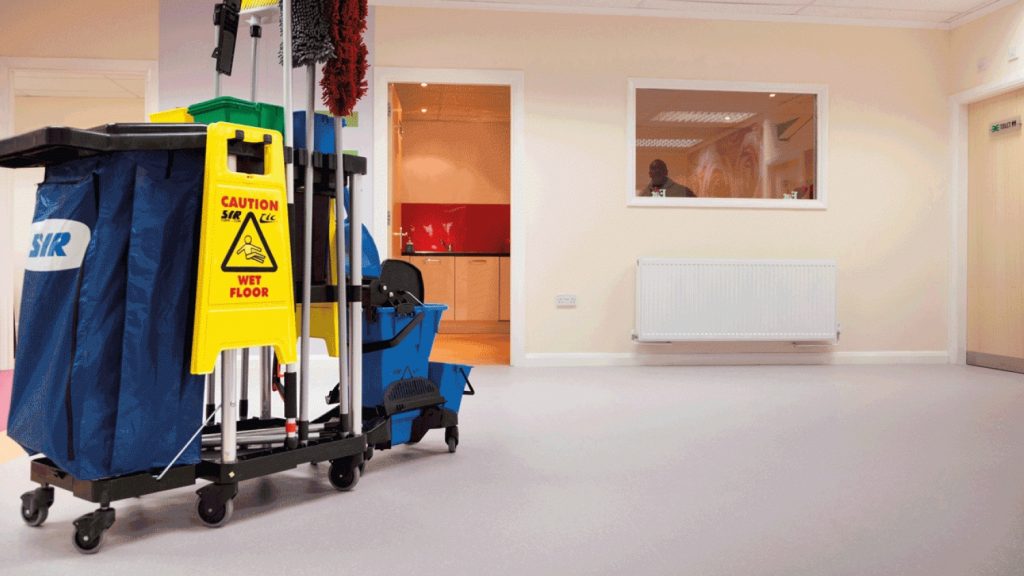
- Cleaning Carts and Trolleys: Cleaning carts and trolleys are used to store cleaning supplies and equipment, making them easily accessible to cleaning staff. They are ideal for large facilities, such as hospitals and schools.
Subcategories of cleaning carts and trolleys include:
- Housekeeping carts: These are used for storing cleaning supplies and equipment for housekeeping staff.
- Janitorial carts: These are used for storing cleaning supplies and equipment for janitorial staff.
- Service carts: These are used for transporting food, drinks, and other items in addition to cleaning supplies.
Cleaning chemicals and agents
Cleaning chemicals and agents play a vital role in achieving optimal cleanliness and hygiene in various environments, including homes, offices, schools, hospitals, and industrial facilities. They are used to remove dirt, grime, and other contaminants from surfaces and to sanitize areas to prevent the spread of germs and bacteria. In this blog, we’ll explore the different categories of cleaning chemicals and agents and how they are used to achieve optimal cleanliness.
- All-Purpose Cleaners: All-purpose cleaners are designed to clean a variety of surfaces, including floors, walls, countertops, and appliances. They are usually diluted with water and can be used for daily cleaning tasks.
Subcategories of all-purpose cleaners include:
- Surface-specific cleaners: These are designed for specific surfaces, such as glass, stainless steel, or granite.
- Disinfectant cleaners: These are designed to kill germs and bacteria and are often used in hospitals, clinics, and other healthcare facilities.
- Multi-surface cleaners: These are designed to clean multiple surfaces with one product, reducing the need for multiple cleaners.
- Degreasers: Degreasers are used to remove heavy-duty dirt, grease, and grime from surfaces. They are commonly used in kitchens, restaurants, and industrial settings.
Subcategories of degreasers include:
- Heavy-duty degreasers: These are designed to remove tough grease and oil stains from surfaces.
- Oven and grill cleaners: These are designed to clean ovens, grills, and other cooking appliances.
- Industrial-strength degreasers: These are designed for use in industrial settings, such as factories and warehouses.
- Glass Cleaners: Glass cleaners are used to clean glass surfaces, including windows, mirrors, and glass tabletops.
Subcategories of glass cleaners include:
- Ammonia-based cleaners: These are commonly used for cleaning windows and are known for their streak-free finish.
- Vinegar-based cleaners: These are a natural alternative to ammonia-based cleaners and are often used in homes and offices.
- Foam glass cleaners: These are designed to cling to vertical surfaces and prevent dripping and streaking.
- Disinfectants: Disinfectants are used to kill germs, viruses, and bacteria on surfaces. They are commonly used in hospitals, schools, and other high-traffic areas.
Subcategories of disinfectants include:
- Bleach-based disinfectants: These are commonly used in hospitals and healthcare facilities.
- Alcohol-based disinfectants: These are commonly used in hand sanitizers and are effective against a wide range of germs and viruses.
- Quaternary ammonium disinfectants: These are commonly used in food service areas and are effective against a wide range of germs and bacteria.
- Carpet Cleaners: Carpet cleaners are used to remove stains and dirt from carpets and rugs.
Subcategories of carpet cleaners include:
- Spot cleaners: These are designed to remove specific stains, such as coffee or wine.
- Deep cleaners: These are designed to penetrate deep into the carpet fibers to remove dirt and grime.
- Foam carpet cleaners: These are designed to be used with a machine to clean large areas of carpet.
- Specialty Cleaners: Specialty cleaners are designed for specific cleaning tasks, such as removing mold, rust, or hard water stains.
Subcategories of specialty cleaners include:
- Mold and mildew cleaners: These are designed to remove mold and mildew from surfaces.
- Rust removers: These are designed to remove rust stains from surfaces.
- Hard water stain removers: These are designed to remove hard water stains from surfaces.
Industrial cleaning services
Industrial cleaning services play an essential role in maintaining cleanliness and hygiene in manufacturing and industrial facilities. These services are designed to remove dirt, grime, and other contaminants from surfaces and equipment to ensure optimal functionality and safety. In this blog, we’ll explore the different categories of industrial cleaning services and how they are used to achieve optimal cleanliness.
- High-Pressure Cleaning: High-pressure cleaning is used to remove dirt and grime from surfaces using high-pressure water jets. It’s an effective method for cleaning large surfaces, such as walls, floors, and ceilings.
Subcategories of high-pressure cleaning include:
- Water blasting: This is a method of high-pressure cleaning that uses water to remove dirt and debris from surfaces.
- Sandblasting: This is a method of high-pressure cleaning that uses sand or other abrasive materials to remove dirt and debris from surfaces.
- Tank Cleaning: Tank cleaning is used to remove dirt, debris, and other contaminants from tanks and vessels used in industrial processes. It’s an essential part of maintaining optimal functionality and safety in manufacturing and industrial facilities.
Subcategories of tank cleaning include:
- Chemical cleaning: This is a method of tank cleaning that uses chemicals to remove dirt and grime from tanks.
- Hydroblasting: This is a method of tank cleaning that uses high-pressure water jets to remove dirt and grime from tanks.
- Confined space cleaning: This is a method of tank cleaning that involves cleaning tanks in confined spaces, such as underground tanks.
- HVAC Cleaning: HVAC cleaning is used to remove dirt, dust, and other contaminants from heating, ventilation, and air conditioning systems. It’s an essential part of maintaining optimal air quality and energy efficiency in manufacturing and industrial facilities.
Subcategories of HVAC cleaning include:
- Air duct cleaning: This is a method of HVAC cleaning that involves cleaning the air ducts and vents to remove dirt and dust.
- Coil cleaning: This is a method of HVAC cleaning that involves cleaning the coils in the HVAC system to improve energy efficiency.
- Filter cleaning: This is a method of HVAC cleaning that involves cleaning or replacing the filters in the HVAC system to improve air quality.
- Floor Cleaning: Floor cleaning is used to remove dirt, grime, and other contaminants from floors in industrial and manufacturing facilities. It’s essential for maintaining safety and hygiene in these environments.
Subcategories of floor cleaning include:
- Sweeping and vacuuming: This is a method of floor cleaning that involves sweeping or vacuuming the floor to remove dirt and debris.
- Scrubbing and polishing: This is a method of floor cleaning that involves scrubbing and polishing the floor to remove stains and restore its shine.
- Concrete cleaning: This is a method of floor cleaning that involves cleaning concrete floors to remove oil stains, tire marks, and other contaminants.
- Equipment Cleaning: Equipment cleaning is used to remove dirt, grime, and other contaminants from machinery and equipment used in industrial processes. It’s essential for maintaining optimal functionality and safety in manufacturing and industrial facilities.
Subcategories of equipment cleaning include:
- Pressure washing: This is a method of equipment cleaning that involves using high-pressure water jets to remove dirt and grime from equipment.
- Steam cleaning: This is a method of equipment cleaning that involves using steam to remove dirt and grime from equipment.
- Chemical cleaning: This is a method of equipment cleaning that involves using chemicals to remove dirt and grime from equipment.


Waste management and recycling
Waste management and recycling play an essential role in protecting the environment and conserving resources. Effective waste management involves the proper collection, transportation, and disposal of waste materials, while recycling involves the recovery of useful materials from waste. In this blog, we’ll explore the different categories of waste management and recycling and how they are used to protect the environment and conserve resources.
- Collection and Transportation: Waste collection and transportation involve the proper collection, sorting, and transportation of waste materials to their designated disposal sites. This is a critical step in waste management, as improper collection and transportation can lead to pollution and environmental damage.
Subcategories of waste collection and transportation include:
- Residential waste collection: This involves the collection of waste from households and residential areas.
- Commercial waste collection: This involves the collection of waste from businesses and commercial areas.
- Industrial waste collection: This involves the collection of waste from industrial facilities and manufacturing plants.
- Landfill Disposal: Landfill disposal involves the disposal of waste materials in designated landfills. Landfills are engineered sites designed to contain waste and prevent environmental contamination.
Subcategories of landfill disposal include:
- Municipal solid waste landfills: These are designed to accept household and commercial waste.
- Construction and demolition landfills: These are designed to accept waste materials generated from construction and demolition projects.
- Hazardous waste landfills: These are designed to accept hazardous waste materials, such as chemicals and other hazardous materials.
- Incineration: Incineration involves the combustion of waste materials to reduce their volume and convert them into ash and gas. Incineration is often used to dispose of hazardous waste materials that cannot be safely disposed of in landfills.
Subcategories of incineration include:
- Municipal solid waste incineration: This involves the incineration of household and commercial waste.
- Hazardous waste incineration: This involves the incineration of hazardous waste materials, such as chemicals and other hazardous materials.
- Recycling: Recycling involves the recovery of useful materials from waste materials, reducing the need for new materials and conserving resources. Recycling is an essential part of waste management and plays a critical role in protecting the environment.
Subcategories of recycling include:
- Paper recycling: This involves the recovery of paper products, such as newspapers, magazines, and office paper.
- Plastic recycling: This involves the recovery of plastic products, such as bottles, bags, and containers.
- Metal recycling: This involves the recovery of metal products, such as aluminum cans and steel products.
- Electronic waste recycling: This involves the recovery of electronic waste materials, such as computers, cell phones, and other electronic devices.
- Composting: Composting involves the natural breakdown of organic waste materials, such as food waste and yard waste, into nutrient-rich soil. Composting is an effective way to reduce waste and conserve resources.
Subcategories of composting include:
- Home composting: This involves composting organic waste materials at home, using a compost bin or pile.
- Industrial composting: This involves large-scale composting operations, using specialized equipment and techniques to compost organic waste materials.
Pest control services
Pest control services play a crucial role in maintaining a safe and healthy environment, both in residential and commercial settings. Pests such as rodents, insects, and other animals can cause damage to property and pose a threat to human health. In this blog, we’ll explore the different categories of pest control services and how they are used to protect our environment and health.
- Rodent Control: Rodent control involves the prevention and elimination of rodents, such as mice and rats, from homes and businesses. Rodents can cause damage to property and spread diseases to humans.
Subcategories of rodent control include:
- Trapping and removal: This involves trapping rodents and removing them from the area.
- Poison baiting: This involves using bait stations with poison to control rodent populations.
- Exclusion: This involves sealing off entry points to prevent rodents from entering the area.
- Insect Control: Insect control involves the prevention and elimination of insects, such as ants, cockroaches, and bed bugs, from homes and businesses. Insects can cause damage to property and pose a threat to human health.
Subcategories of insect control include:
- Chemical treatments: This involves the use of insecticides to control insect populations.
- Non-chemical treatments: This involves the use of non-chemical methods, such as steam cleaning, to control insect populations.
- Exclusion: This involves sealing off entry points to prevent insects from entering the area.
- Bird Control: Bird control involves the prevention and elimination of birds, such as pigeons and seagulls, from homes and businesses. Birds can cause damage to property and pose a health hazard due to their droppings.
Subcategories of bird control include:
- Netting and spikes: This involves installing netting or spikes to prevent birds from landing or nesting on buildings.
- Deterrents: This involves using visual or audio deterrents, such as fake owls or loud noises, to deter birds from the area.
- Trapping and removal: This involves trapping birds and removing them from the area.
- Wildlife Control: Wildlife control involves the prevention and elimination of wildlife, such as raccoons, squirrels, and skunks, from homes and businesses. Wildlife can cause damage to property and pose a health hazard due to their feces and urine.
Subcategories of wildlife control include:
- Trapping and removal: This involves trapping wildlife and removing them from the area.
- Exclusion: This involves sealing off entry points to prevent wildlife from entering the area.
- Habitat modification: This involves modifying the environment to make it less attractive to wildlife.
- Termite Control: Termite control involves the prevention and elimination of termites from homes and businesses. Termites can cause extensive damage to wood structures and pose a threat to the integrity of buildings.
Subcategories of termite control include:
- Chemical treatments: This involves the use of insecticides to control termite populations.
- Bait stations: This involves the use of bait stations with poison to control termite populations.
- Exclusion: This involves sealing off entry points to prevent termites from entering the area.
environmental protection and sustainability
The East Africa Clean Expo is a platform that brings together companies and organizations that are committed to promoting environmental protection and sustainability. The expo showcases innovative solutions and technologies that are designed to minimize environmental impact, conserve resources, and promote sustainability. In this blog, we’ll explore the different categories of environmental protection and sustainability solutions showcased at the East Africa Clean Expo.
-
Energy Efficiency Solutions: Energy efficiency solutions are designed to reduce energy consumption and promote sustainability. These solutions can include energy-efficient lighting, HVAC systems, and appliances, as well as renewable energy solutions such as solar panels and wind turbines.
Subcategories of energy efficiency solutions include:
- Lighting: This includes energy-efficient lighting solutions, such as LED lighting, that use less energy and last longer than traditional lighting.
- HVAC systems: This includes energy-efficient HVAC systems that use less energy to heat and cool buildings.
- Appliances: This includes energy-efficient appliances, such as refrigerators and washing machines, that use less energy to operate.
- Renewable energy: This includes renewable energy solutions, such as solar panels and wind turbines, that generate electricity without producing greenhouse gas emissions.
-
Water Conservation Solutions: Water conservation solutions are designed to minimize water usage and promote sustainability. These solutions can include low-flow fixtures, water-efficient landscaping, and rainwater harvesting systems.
Subcategories of water conservation solutions include:
- Low-flow fixtures: This includes water-efficient fixtures, such as faucets, showerheads, and toilets, that use less water than traditional fixtures.
- Water-efficient landscaping: This includes landscaping solutions that require less water, such as native plants and drought-tolerant landscaping.
- Rainwater harvesting: This includes systems that capture and store rainwater for later use, such as for irrigation.
-
Waste Management Solutions: Waste management solutions are designed to minimize waste production and promote sustainability. These solutions can include composting systems, recycling programs, and waste-to-energy solutions.
Subcategories of waste management solutions include:
- Composting: This includes systems that break down organic waste materials, such as food waste and yard waste, into nutrient-rich soil.
- Recycling: This includes programs that recover useful materials from waste, such as paper, plastic, and metal.
- Waste-to-energy: This includes systems that convert waste materials into energy, such as through incineration or gasification.
-
Sustainable Building Materials: Sustainable building materials are designed to promote sustainability by using materials that are renewable, recyclable, and non-toxic. These materials can include bamboo, reclaimed wood, and recycled plastic.
Subcategories of sustainable building materials include:
- Renewable materials: This includes materials that are sourced from renewable sources, such as bamboo and cork.
- Recycled materials: This includes materials that are made from recycled materials, such as recycled plastic and reclaimed wood.
- Non-toxic materials: This includes materials that are free from toxic chemicals, such as low-VOC paint and formaldehyde-free insulation.
-
Green Transportation Solutions: Green transportation solutions are designed to promote sustainability by reducing emissions and conserving resources. These solutions can include electric vehicles, bike-sharing programs, and public transportation.
Subcategories of green transportation solutions include:
- Electric vehicles: This includes vehicles that run on electricity, such as electric cars and electric bicycles.
- Bike-sharing programs: This includes programs that provide bikes for public use, such as bike-sharing programs in cities.
- Public transportation: This includes sustainable public transportation options, such as buses and trains, that reduce emissions and conserve resources.
Cleaning and hygiene products
The East Africa Clean Expo is a platform that brings together companies and organizations that are committed to promoting cleaning and hygiene products for homes and offices. The expo showcases innovative solutions and technologies that are designed to promote cleanliness and hygiene, while also minimizing environmental impact. In this blog, we’ll explore the different categories of cleaning and hygiene products showcased at the East Africa Clean Expo.
- Cleaning Chemicals: Cleaning chemicals are designed to remove dirt, grime, and other contaminants from surfaces in homes and offices. These chemicals can include disinfectants, degreasers, and window cleaners.
Subcategories of cleaning chemicals include:
- Disinfectants: This includes chemicals that are designed to kill germs and bacteria, such as bleach and hydrogen peroxide.
- Degreasers: This includes chemicals that are designed to remove grease and oil from surfaces, such as kitchen countertops and floors.
- Window cleaners: This includes chemicals that are designed to clean and shine windows and glass surfaces.
- Cleaning Tools and Equipment: Cleaning tools and equipment are designed to help make cleaning more efficient and effective. These tools can include vacuums, mops, and microfiber cloths.
Subcategories of cleaning tools and equipment include:
- Vacuums: This includes both handheld and upright vacuums that are designed to remove dirt and debris from carpets and floors.
- Mops: This includes traditional mops, as well as microfiber mops that are designed to clean and disinfect surfaces.
- Microfiber cloths: This includes reusable cloths that are designed to remove dirt and bacteria from surfaces without the need for harsh chemicals.
- Personal Hygiene Products: Personal hygiene products are designed to promote cleanliness and hygiene for individuals. These products can include hand sanitizers, soaps, and surface disinfectants.
Subcategories of personal hygiene products include:
- Hand sanitizers: This includes alcohol-based hand sanitizers that are designed to kill germs and bacteria on hands.
- Soaps: This includes traditional bar soap, as well as liquid hand soap that is designed to promote cleanliness and hygiene.
- Surface disinfectants: This includes chemicals that are designed to disinfect surfaces and kill germs and bacteria.
- Air Purification Products: Air purification products are designed to remove contaminants from the air, promoting a clean and healthy environment. These products can include air purifiers and HVAC filters.
Subcategories of air purification products include:
- Air purifiers: This includes portable air purifiers, as well as HVAC-based air purifiers that are designed to remove contaminants from the air.
- HVAC filters: This includes filters that are designed to remove contaminants from the air as it passes through HVAC systems.
- Waste Management Products: Waste management products are designed to promote cleanliness and hygiene by effectively managing waste. These products can include trash cans, recycling bins, and compost bins.
Subcategories of waste management products include:
- Trash cans: This includes traditional trash cans, as well as hands-free trash cans that promote cleanliness and hygiene.
- Recycling bins: This includes bins that are designed to collect recyclable materials, such as paper, plastic, and glass.
- Compost bins: This includes bins that are designed to collect organic waste materials, such as food waste and yard waste.
Cleaning and maintenance services
Cleaning and maintenance services play a critical role in maintaining the cleanliness and hygiene of hotels, hospitals, and other facilities. These services not only promote a safe and healthy environment for guests and staff but also help to protect the facility’s infrastructure and assets. In this blog, we’ll explore the different categories of cleaning and maintenance services for hotels, hospitals, and other facilities, along with their subcategories.
- Housekeeping Services: Housekeeping services involve the regular cleaning and maintenance of guest rooms and common areas in hotels and other facilities. These services can include dusting, vacuuming, and disinfecting.
Subcategories of housekeeping services include:
- Guest room cleaning: This includes cleaning and disinfecting guest rooms, making beds, and restocking amenities.
- Common area cleaning: This includes cleaning and disinfecting common areas, such as lobbies, hallways, and elevators.
- Laundry services: This includes washing, drying, and folding linens, towels, and other textiles.
- Environmental Services: Environmental services involve the cleaning and maintenance of healthcare facilities, including hospitals and clinics. These services are designed to reduce the risk of healthcare-associated infections (HAIs) and promote a safe and sterile environment for patients and staff.
Subcategories of environmental services include:
- Infection prevention: This includes the use of disinfectants and other cleaning solutions to reduce the risk of HAIs.
- Sterilization: This includes the use of specialized equipment to sterilize medical instruments and equipment.
- Waste management: This includes the proper disposal of medical waste, such as syringes and bandages.
- Building Maintenance Services: Building maintenance services involve the regular upkeep and repair of a facility’s infrastructure, including its electrical, plumbing, and HVAC systems. These services are designed to prevent damage to the facility and ensure the safety of its occupants.
Subcategories of building maintenance services include:
- Electrical services: This includes the repair and maintenance of electrical systems, such as wiring and lighting.
- Plumbing services: This includes the repair and maintenance of plumbing systems, such as pipes and fixtures.
- HVAC services: This includes the repair and maintenance of heating, ventilation, and air conditioning systems.
- Grounds Maintenance Services: Grounds maintenance services involve the upkeep and maintenance of a facility’s outdoor areas, including its landscaping, parking lots, and sidewalks. These services are designed to promote a safe and inviting environment for guests and staff.
Subcategories of grounds maintenance services include:
- Landscaping services: This includes the upkeep of trees, shrubs, and other landscaping features.
- Parking lot maintenance: This includes the repair and maintenance of parking lots, including striping and pothole repair.
- Sidewalk maintenance: This includes the repair and maintenance of sidewalks and walkways.
- Pest Control Services: Pest control services involve the prevention and elimination of pests, such as rodents and insects, from a facility. These services are designed to protect the facility’s infrastructure and assets, as well as the health and safety of its occupants.
Subcategories of pest control services include:
- Rodent control: This includes the prevention and elimination of rodents, such as mice and rats.
- Insect control: This includes the prevention and elimination of insects, such as ants and cockroaches.
- Bird control: This includes the prevention and elimination of birds, such as pigeons and seagulls.
Janitorial services and equipment
Janitorial services and equipment are essential for maintaining a clean and hygienic environment in various facilities such as offices, schools, and shopping centers. Janitorial services involve a wide range of cleaning tasks, while janitorial equipment comprises the tools and machines used to carry out these tasks efficiently. In this blog, we’ll explore the different categories of janitorial services and equipment, along with their subcategories.
- General Cleaning Services: General cleaning services involve the basic cleaning tasks that are required to maintain a facility’s cleanliness and hygiene. These services can include sweeping, mopping, and dusting.
Subcategories of general cleaning services include:
- Floor Cleaning: This includes the cleaning of different types of flooring, such as carpets, tiles, and hardwood floors.
- Window Cleaning: This includes the cleaning of windows, glass partitions, and mirrors.
- Restroom Cleaning: This includes the cleaning and disinfection of restrooms, including toilets, sinks, and floors.
- Specialized Cleaning Services: Specialized cleaning services involve the cleaning of specific areas that require more attention due to their nature or use. These services can include healthcare facilities, food service areas, and laboratories.
Subcategories of specialized cleaning services include:
- Healthcare Cleaning: This includes the cleaning and disinfection of healthcare facilities, including hospitals, clinics, and long-term care facilities.
- Food Service Cleaning: This includes the cleaning and disinfection of food service areas, including kitchens, cafeterias, and restaurants.
- Laboratory Cleaning: This includes the cleaning and disinfection of laboratory areas, including research facilities and medical laboratories.
- Janitorial Equipment: Janitorial equipment comprises the tools and machines used by janitors to carry out their cleaning tasks efficiently. These tools can include vacuum cleaners, floor scrubbers, and pressure washers.
Subcategories of janitorial equipment include:
- Vacuum Cleaners: This includes different types of vacuum cleaners, such as upright vacuums, backpack vacuums, and wet/dry vacuums.
- Floor Scrubbers: This includes machines used to clean and scrub different types of flooring, such as carpets, tiles, and hardwood floors.
- Pressure Washers: This includes machines used to clean outdoor areas, such as parking lots, sidewalks, and building exteriors.
- Cleaning Chemicals: Cleaning chemicals are essential for cleaning tasks, and they can be used to remove dirt, grime, and other contaminants from surfaces in different facilities.
Subcategories of cleaning chemicals include:
- Disinfectants: This includes chemicals used to kill germs and bacteria, such as bleach and hydrogen peroxide.
- Degreasers: This includes chemicals used to remove grease and oil from surfaces, such as kitchen countertops and floors.
- All-purpose cleaners: This includes chemicals used to clean and disinfect different types of surfaces.
- Janitorial Supplies: Janitorial supplies include the various products used in the cleaning process, such as trash bags, paper towels, and cleaning cloths.
Subcategories of janitorial supplies include:
- Trash Bags: This includes different types of trash bags, such as those used for general waste and those used for recycling.
- Paper Towels: This includes different types of paper towels, such as those used for hand drying and those used for cleaning surfaces.
- Cleaning Cloths: This includes different types of cleaning cloths, such as microfiber cloths, which are used to clean and disinfect surfaces.