


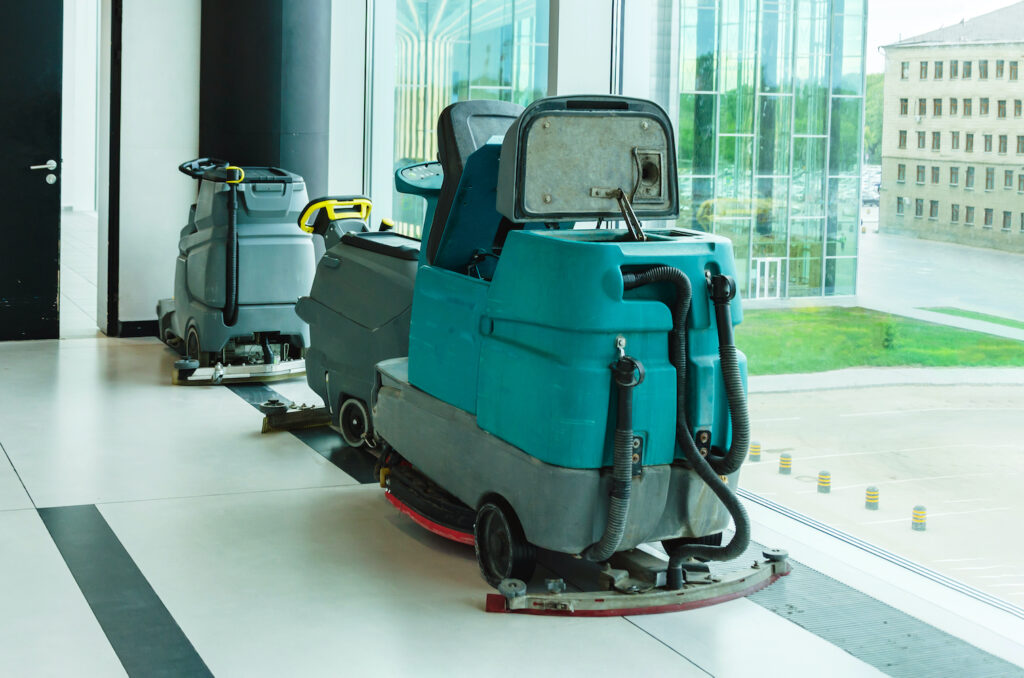


Urban centers across Kenya are growing rapidly. In cities like Nairobi, Mombasa, Kisumu, and Nakuru, busy professionals work long hours, and new commercial buildings open every month. This growth creates a continuous demand for reliable, professional cleaning services. Property owners and corporate managers willingly pay for top-tier cleanliness to maintain their spaces.
Starting a cleaning business requires low initial capital compared to other service industries. You do not need an expensive storefront or advanced degrees to begin. With basic equipment, effective cleaning products, and a clear operating strategy, you can establish a profitable business within a few months. This guide provides a direct, practical roadmap to launch your cleaning venture from the ground up in the Kenyan market.
Choosing Your Cleaning Niche: Residential vs. Commercial
Before you purchase a single bottle of detergent, you must decide who you will serve. Specializing in a specific niche helps you target your marketing, manage your expenses, and select the exact tools you need.
Residential Cleaning Services
Residential cleaning focuses on homes, apartments, and estates. Homeowners and tenants hire external services for specific tasks that require specialized equipment or extra time.
-
Routine House Cleaning: Dusting, mopping, vacuuming, and sanitizing bathrooms on a weekly or bi-weekly schedule.
-
Deep Cleaning: Detailed scrubbing of kitchens, inside appliances, and bathroom tile grout, typically done before holidays or special events.
-
Move-In or Move-Out Cleaning: Thoroughly preparing a vacant rental house for the next tenant or cleaning a new home before the owner moves in.
-
Post-Construction Cleaning: Removing fine cement dust, paint splatters, and construction debris from newly built or renovated residential units.
The residential market allows you to start immediately with minimal gear. You can handle the first few jobs yourself or with one helper. Homeowners usually pay immediately via mobile money platforms like M-Pesa upon completion of the work. This keeps your cash flow steady.
Commercial Cleaning Services
Commercial cleaning targets corporate clients, businesses, and public institutions. This niche requires a more structured approach and heavier equipment.
-
Office Spaces: Daily cleaning of desks, communal kitchens, boardrooms, and restrooms after regular working hours.
-
Retail Outlets and Malls: Maintaining clean floors, glass windows, and public walkways in high-traffic shopping areas.
-
Educational Institutions: Cleaning schools, colleges, and kindergartens during weekends or school holidays.
-
Medical Facilities: Disinfecting clinics and dental offices using specialized, hospital-grade sanitizers.
Commercial contracts offer predictable, recurring revenue. A contract with a mid-sized corporate office can secure your income for an entire year. However, corporate clients often use strict procurement systems. They typically demand 30-day or 60-day payment cycles, meaning you must have enough cash reserves to pay your staff and buy supplies before the client clears your invoice.
Registering Your Cleaning Business in Kenya
Operating legally protects your business, builds trust with premium clients, and allows you to bid for profitable corporate tenders. The entire registration process now takes place online through the official eCitizen portal.
1. Business Name Registration vs. Limited Company
You must choose a legal structure for your business. A Business Name registration is the simplest and cheapest option. It links the business directly to you as an individual.
A Private Limited Company is a separate legal entity. It protects your personal assets from business liabilities and makes your business look highly professional to corporate procurement departments. If you intend to pitch for government contracts or large corporate bids, register a limited company.
2. Step-by-Step eCitizen Registration
-
Log into your eCitizen account and select the Business Registration Service (BRS).
-
Submit up to three unique name choices for name reservation. For example, choose names that clearly communicate your service, such as “Kilimani Premium Cleaners” or “Nyali Commercial Cleaning Services”.
-
Once approved, fill out the required application forms, upload your national identity card, KRA PIN certificate, and passport-sized photographs.
-
Pay the required registration fees online using M-Pesa. A Business Name registration costs KES 950, while a Limited Company registration costs KES 10,650.
-
Download your official Certificate of Incorporation or Business Registration Certificate after three to five working days.
3. Local Licenses and Permits
You cannot operate legally without county approvals. Visit your local county government office to obtain the necessary documents:
-
Unified Business Permit: This single permit combines the traditional trading license, fire clearance certificate, and health inspection certificate. In Nairobi County, a small cleaning business operating from an office pays between KES 7,000 and KES 15,000 annually, depending on the number of employees and office size.
-
KRA Tax Compliance Certificate (TCC): Apply for this through the KRA iTax portal once your business PIN is active. Corporate clients demand a TCC before awarding contracts.
Calculating Your Startup Costs: A Practical Budget Breakdown
You do not need millions of shillings to launch a cleaning business. You can start small, use basic tools, and reinvest your initial profits to buy advanced machinery later. The table below outlines a realistic budget for a small-scale cleaning setup in Kenya.
| Equipment / Item Description | Purpose | Estimated Cost (KES) |
| Wet and Dry Vacuum Cleaner (15-Liter) | Cleaning carpets, sofas, and vehicle interiors | 18,000 |
| Professional Window Squeegee and T-Bar | Streak-free window and glass cleaning | 3,500 |
| Microfiber Cloths (Pack of 20) | Dusting and wiping surfaces without scratching | 2,500 |
| Heavy-Duty Mops and Color-Coded Buckets | Floor cleaning (Blue for general areas, Red for washrooms) | 4,000 |
| Multipurpose Detergent and Sanitizers (20L) | Bulk cleaning chemicals for floors and counters | 3,000 |
| Personal Protective Equipment (PPE) | Heavy-duty gloves, face masks, and branded aprons | 5,000 |
| Local Transport (First Month) | Transporting team and equipment to client locations | 6,000 |
| Unified Business Permit | Small business operation license | 10,000 |
| Total Estimated Startup Capital | Essential launch requirements | 52,000 |
If your budget is extremely tight, you can skip the vacuum cleaner initially and rent one for KES 1,500 per day from equipment hire shops in downtown Nairobi when you book a carpet cleaning job. This lowers your upfront entry cost to less than KES 35,000.
Crafting a Profitable Pricing Strategy
Pricing your services correctly determines whether your business survives or collapses. If your prices are too low, you will struggle to pay your staff and buy supplies. If your prices are too high, clients will choose your competitors. Use these three main pricing models depending on the job.
1. Flat Rate Per Room (Best for Residential)
Charge a fixed fee based on the size of the house. This model is transparent and easy for homeowners to understand.
-
1-Bedroom Apartment: KES 3,500 to KES 4,500 for a deep clean.
-
2-Bedroom Apartment: KES 5,000 to KES 6,500.
-
3-Bedroom Townhouse: KES 8,000 to KES 12,000.
2. Pricing Per Square Foot (Best for Commercial)
For commercial offices and large post-construction sites, measure the total area. In Kenya, standard commercial cleaning rates range from KES 3 to KES 7 per square foot for a deep clean, and KES 1.5 to KES 3 per square foot for a recurring daily maintenance contract.
3. Calculating Your Real Expenses
Always calculate your direct inputs before giving a quote. For example, if you quote KES 6,000 for a 2-bedroom apartment:
Total Quote: KES 6,000
Minus Casual Labor (2 workers x KES 1,000): KES 2,000
Minus Transport (Round trip via taxi or matatu): KES 1,200
Minus Chemicals Used: KES 500
Net Profit: KES 2,300
This simple math ensures every job generates a clear profit margin of at least 35% to 40% after covering labor, transport, and materials.
Sourcing Reliable Equipment and Supplies in Kenya
The quality of your cleaning products dictates your speed and results. Domestic detergents from regular supermarkets are expensive and inefficient for commercial use. You need industrial-grade solutions.
Where to Buy
-
Nairobi Industrial Area: Companies based along Enterprise Road and Mombasa Road manufacture and sell heavy-duty detergents, carpet shampoos, and degreasers in 5-liter and 20-liter jerrycans at wholesale prices.
-
Downtown Nairobi (Kirinyaga Road and Sheikh Karume Road): This area hosts numerous importers of commercial cleaning machinery. Here, you can purchase durable wet and dry vacuum cleaners, high-pressure washers, and single-disc floor scrubbers with valid warranties.
Choosing the Right Chemicals
Train your team to understand basic surface safety. Using a highly acidic chemical to clean polished marble floors will dull and ruin the stone permanently. Use neutral pH detergents for tiled and wooden floors, acidic cleaners strictly for toilet bowls to remove hard water stains, and alkaline degreasers for greasy kitchen extraction hoods.
Marketing Your Cleaning Services and Winning Your First Clients
A perfect business setup is useless without paying clients. You must market your services actively to build a consistent pipeline of work.
-
Google Business Profile: Set up a free profile. Name it clearly, such as “Mombasa Professional House Cleaners.” Add your phone number, list your services, and upload clear photos of your work. When locals search for “cleaning services near me” on their phones, your business will appear on the map.
-
Before-and-After Content: Visual proof attracts clients quickly. Take high-resolution photos of a stained carpet before cleaning and another photo after it dries. Post these side-by-side images on platforms like Facebook and Instagram.
-
Targeted Neighborhood Flyering: Print simple, neat flyers detailing your move-in and carpet cleaning services. Distribute them to caretakers and property agents in residential areas with high tenant turnover, such as Roysambu, Kilimani, Ruaka, or Nyali. Offer the caretakers a small referral commission of KES 500 for every client they send your way.
Hiring and Managing Your Cleaning Team
As your business grows, you cannot clean every property yourself. You must recruit and manage an efficient team to scale your operations.
Vetting and Recruitment
Your staff enters private homes and secure offices. Trustworthiness is mandatory. When hiring casual cleaners, demand a valid Certificate of Good Conduct from the Directorate of Criminal Investigations (DCI), a copy of their national ID card, and verifiable references from previous employers.
Setting Fair Compensation
Pay your team competitive daily casual rates to maintain morale and reduce turnover. In urban centers, a standard rate for an experienced casual cleaner ranges from KES 800 to KES 1,200 per day, depending on the complexity of the task. Provide lunch or a small lunch allowance when jobs extend beyond five hours. Happy workers pay attention to details, handle equipment carefully, and treat your clients with respect.
Next Steps
Starting a cleaning business in Kenya requires clear focus, proper legal documentation, and consistent service delivery. By choosing a distinct niche, managing your startup costs carefully, and using a data-driven pricing model, you can build a sustainable company that generates recurring profits.
Your immediate next step is to log onto the eCitizen portal and register your business name. Secure your basic cleaning kit, offer a discounted deep clean to three friends or family members to secure your first before-and-after photos, and launch your Google Business Profile. Consistency in the first few weeks will establish your brand in this expanding service market.
Which cleaning niche fits your current budget and background best: residential home cleaning or commercial office contracts?