


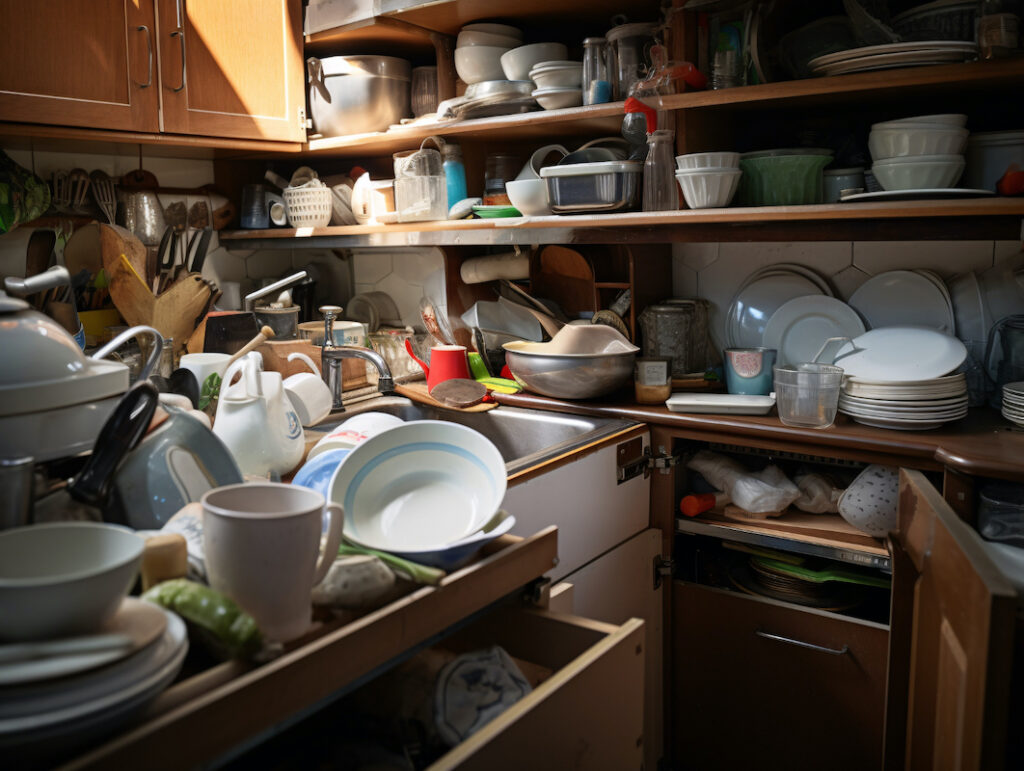
In the dynamic environment of commercial kitchens, the cleanliness of your dishes is not just about making a good impression; it’s about upholding health standards and ensuring the safety of your customers. Navigating the myriad of warewashing chemicals available can be daunting, but understanding which products are best suited for your kitchen’s needs is crucial. This guide aims to demystify the world of warewashing chemicals, whether you’re handwashing delicate items or relying on the efficiency of a dish machine. By selecting the right chemicals within your budget, you’ll achieve spotlessly clean dishes that both impress your customers and satisfy health inspectors.
Manual Warewashing Chemicals: Ensuring Precision and Care
Handwashing dishes is often reserved for delicate items or utensils requiring special care. It’s vital to understand the chemicals and procedures involved in manual warewashing to maintain the high standards your establishment is known for.
Three Compartment Sink: The Foundation of Manual Dishwashing


A staple in manual warewashing is the three-compartment sink, designed for washing, rinsing, and sanitizing in separate stages. Typically made from stainless steel, these sinks are a testament to the importance of proper chemical concentration, achievable through chemical dispensers.
- First Sink (Wash): Filled with hot water and detergent, this sink is where dishes begin their cleaning journey. Detergents come in liquid, powder, and solid forms, suitable for various hand-wash items.
- Second Sink (Rinse): This stage involves fresh water to rinse off detergent residues, ensuring dishes are ready for sanitization.
- Third Sink (Sanitizer): The final soak in a sanitizer solution ensures dishes are safe for use, with quat and iodine-based sanitizers being the most common.
The Role of Presoaks, Cleaners, and Sanitizers
Achieving pristine results in manual warewashing involves more than just moving dishes through sinks. It requires an array of chemicals, each serving a specific purpose:
- Tableware Presoak: This pre-treatment loosens and removes food soil, preparing items for efficient cleaning.
- Detergent: Key to removing tough soils, detergents are formulated to tackle everything from lipstick marks to greasy residues without harming dishes.
- Sanitizer: Essential for eliminating pathogens, sanitizers ensure dishes are safe for customer use. Quat sanitizers are particularly valued for their safety on metals and minimal skin irritation.
- Mineral Solvent: Hard water can be a challenge, but mineral solvents condition the water, preventing spots and enhancing cleaning power.
Machine Warewashing Chemicals: Maximizing Efficiency and Compliance
For kitchens with high volumes of dishes, machine warewashing is a game-changer, saving time and labor. However, it requires specific chemicals and practices to ensure optimal results.
High-Temperature vs. Low-Temperature Dish Machines
- High-Temperature Machines: These powerhouses use hot water to sanitize, effectively removing grease and debris without chemical sanitizers. They require a significant upfront investment but offer long-term savings and superior cleaning for heavy soiling.
- Low-Temperature Machines: More versatile and energy-efficient, these machines rely on chemical sanitizers to ensure safety standards are met. Ideal for operations with diverse warewashing needs, they’re particularly suited for environments where minimizing operational costs is a priority.
Detergents, Rinse Aids, and Sanitizers: The Chemical Trio
Both high and low-temperature machines need the right detergents and rinse aids to perform effectively, with low-temperature models additionally requiring chemical sanitizers.
- Detergents: Tailored to the temperature of the wash cycle, detergents are formulated in liquid, powder, or solid forms, with options designed to protect metalware in high-temperature machines.
- Rinse Aid: These aids facilitate faster drying and prevent water spots, available in formulas compatible with both high and low-temperature machines.
- Sanitizer: Essential for low-temperature machines, chlorine-based sanitizers ensure dishes are pathogen-free, necessitating regular checks with chlorine test strips.
Selecting the Right Warewashing Chemicals
Choosing the appropriate warewashing chemicals involves more than just understanding their types and purposes. Considerations include the nature of your dishes, the hardness of your water, and your kitchen’s operational scale. Here’s how to make informed choices:
- Understand Your Needs: Delicate items might require manual washing, whereas high volumes call for efficient machine warewashing.
- Consider Water Quality: Hard water may necessitate specific detergents or mineral solvents to prevent spotting and enhance cleaning efficacy.
- Evaluate Your Equipment: Choose chemicals compatible with your warewashing equipment, whether high-temperature, low-temperature, or manual setups.
Ensuring Compliance and Satisfaction
Meeting health regulations and customer expectations starts with the right warewashing practices and chemicals. Whether opting for manual washing or machine assistance, the goals remain the same: cleanliness, safety, and efficiency. By understanding the specific needs of your operation and choosing chemicals that offer the best cleaning and sanitizing power within your budget, you ensure that every dish that leaves your kitchen not only looks impeccable but is also hygienically safe.
In summary, the journey to optimal warewashing efficiency involves a careful selection of chemicals, equipment, and procedures tailored to your kitchen’s demands. Whether through the meticulous process of manual washing or the streamlined approach of machine washing, the right combination of detergents, rinse aids, and sanitizers is key to achieving spotless, guest-ready dishware. With this comprehensive guide, your establishment is well-equipped to maintain high standards of cleanliness and hygiene, ensuring that your dishes impress at first glance and contribute to a memorable dining experience.