























When colds and flu move through a household, school or workplace, the cleaning cupboard often gets a second look. People want to reduce germs and keep indoor air comfortable, while avoiding strong smells and unnecessary chemicals. A sensible plan can do both, provided it separates everyday cleaning from disinfection and follows product directions.
“Green cleaning” has no single universal definition. Here it means choosing products and methods with attention to ingredients, exposure, packaging and waste, while still getting the surface clean. It does not mean that a product is automatically safe, chemical-free or able to kill viruses. Read the label and match the product to the job.
Start with routine cleaning
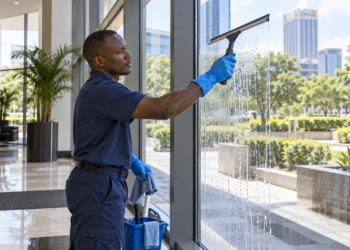
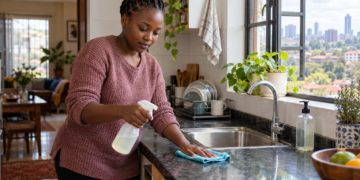
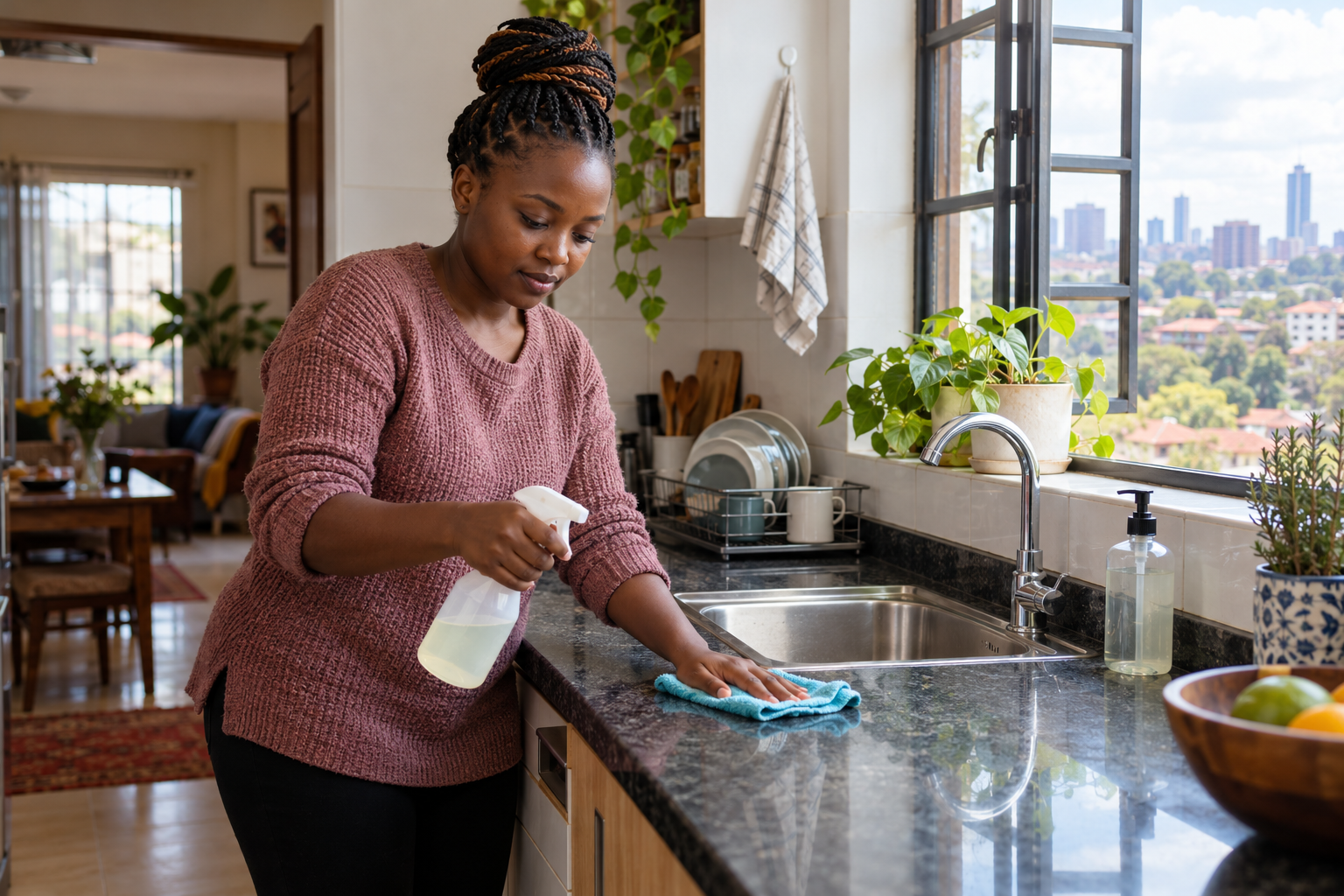
For most rooms, regular cleaning with water and a suitable detergent removes dust, grease and many germs from surfaces. Pay attention to places people touch often: door handles, taps, light switches, handrails, shared desks, phones and remote controls. Clean visible dirt first, since soil can interfere with some disinfectants. Use a fresh cloth for each area or change it when it becomes soiled; a dirty cloth can spread grime from one surface to another.
Set a realistic frequency. A family does not need to disinfect every wall every day. Clean high-touch surfaces more often when several people share them, when someone in the home is ill, or when the surface is visibly dirty. In a small office, agree who cleans shared equipment and when. A written rota can prevent the familiar gap where everyone assumes someone else wiped the meeting-room table.
Use separate cloths or clearly marked tools for toilets, kitchens and general surfaces. Wash reusable cloths thoroughly and allow them to dry fully before the next use. Damp cleaning materials left in a bucket or plastic bag can develop unpleasant smells and become a hygiene problem. Store tools where children and pets cannot reach them.
Know when disinfection is appropriate
Cleaning and disinfecting are different tasks. A cleaner removes dirt and some germs. A disinfectant is designed to inactivate specified microorganisms when used as directed. The US Centers for Disease Control and Prevention advises that regular cleaning is usually enough in most situations, with disinfection more relevant when someone is sick or at higher risk. That guidance is a useful reference; follow current Kenyan public-health advice and product labels for local situations.
If a household member has a contagious illness, focus on frequently touched surfaces and shared bathroom or kitchen areas. Choose a product whose label states that it is effective for the intended use. Check the required dilution, surface compatibility and contact time. Contact time means the surface must remain visibly wet for the period on the label. Wiping it dry too soon may reduce the product’s effectiveness.
Never mix cleaning products. In particular, mixing bleach with acids, ammonia or other cleaners can release dangerous gases. Do not pour products into unlabelled bottles or combine leftovers. Keep original containers and follow the safety instructions, including ventilation and protective equipment where the label requires them. If a product irritates breathing, eyes or skin, stop using it and move to fresh air.

Choose products carefully
Buy only what you need and read the full label before purchasing. Check the intended surfaces, directions, warnings, storage instructions and first-aid information. Fragrance-free or lower-fragrance options may suit people who are sensitive to scents, but “natural” on the front of a package does not prove that a product will be gentle or effective. Essential oils and homemade mixtures can still irritate skin or damage finishes.
Some independent programmes, such as the US EPA Safer Choice label, assess products against ingredient and performance criteria. A certification from another country can help a shopper understand a product, but it is not a Kenyan government approval and it does not replace the product’s local label. Check what the mark covers before treating it as proof of every environmental or health claim.
For an everyday floor or counter, a mild detergent may be enough. Save stronger products for a defined need. Avoid spraying chemicals into the air; apply them to a cloth when the label permits. Use the smallest amount that works and never exceed the recommended concentration. More product can leave residue without making a surface cleaner.
Support clean air and hand hygiene
Respiratory viruses often spread through the air as well as through contaminated hands and surfaces. Cleaning a desk cannot replace ventilation, staying home when ill, handwashing or other current public-health measures. Open windows when outdoor conditions and security allow. In buildings with mechanical ventilation, make sure the system is maintained according to the facility’s plan. Avoid blocking vents with furniture or stored items.
Place soap and water where people can use them, and keep handwashing areas supplied. If soap and water are unavailable, use an appropriate hand sanitiser according to its label and keep it away from small children unless supervised. Encourage people to wash their hands after using the toilet, before preparing food, after coughing or sneezing, and after handling waste.
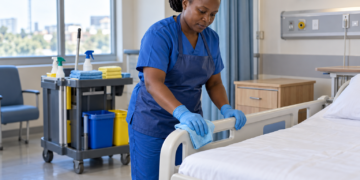
At work, cleaning should fit the actual room and its use. A clinic, daycare, food preparation space and ordinary office have different requirements. Follow the relevant facility procedures and public-health rules. Where several products are used, keep a simple inventory and safety information accessible to staff rather than relying on memory.
Reduce waste without cutting corners
Reusable cloths and refill packs may reduce packaging, but only if they are used and cleaned properly. Avoid buying a large container that will expire or be stored unsafely. Keep chemicals in original containers with readable labels. Do not reuse drinking-water bottles for cleaning liquids. Dispose of products and containers according to the label and local waste guidance; do not pour concentrated chemicals into drains or stormwater channels unless the directions allow it.
Track what a household or workplace actually uses. If a product is rarely needed, a smaller bottle can be the better choice. Train cleaners to measure dilution correctly rather than guessing. This protects surfaces, reduces waste and helps each container last as intended.
A practical cold-season routine
Make a short list of shared touch points and clean them on a schedule that matches how many people use them. Keep detergent, cloths and any necessary disinfectant clearly labelled and stored safely. When someone becomes sick, follow current local health advice, use a product approved for the intended surface and allow its full contact time. Ventilate rooms when practical, wash hands and avoid sharing personal items such as towels.
Good seasonal cleaning is steady and targeted. It keeps commonly used areas tidy, uses products for the purpose stated on the label and makes room for the measures that matter beyond surfaces. A cupboard full of harsh products is not a plan; a few suitable supplies and clear habits usually serve a household better.