






























Karibu. Operating a restaurant or a hotel requires intense dedication and careful management. You balance staff schedules, manage food costs, and work hard to provide excellent service for every guest. A single pest sighting ruins all that hard work instantly. When a customer sees a cockroach near their table or finds a bed bug in their room, they rarely keep the experience to themselves. They take photos, leave negative reviews online, and tell their friends. Your hard-earned reputation suffers immediate damage.
Maintaining a pest-free environment is a strict health requirement and a fundamental business necessity. Pests contaminate food supplies, spread dangerous bacteria, and destroy physical property. You must implement a strict, proactive defense system to protect your establishment. This guide provides exact, practical steps you can take today to secure your commercial kitchen and guest rooms against the most common and destructive invaders.
Understanding the True Cost of an Infestation
Ignoring early signs of pests costs you money and endangers your guests. Rodents, insects, and flies carry pathogens that cause severe foodborne illnesses, including Salmonella and E. coli. When health inspectors discover pest activity in your food preparation zones, they issue severe fines or close your business completely.
Pests also cause physical destruction. Rats chew through electrical wiring, creating severe fire hazards inside your walls. They gnaw through expensive plastic storage containers and contaminate bulk dry goods. A bed bug problem forces you to take profitable rooms out of service, throw away expensive mattresses, and pay for repeated chemical treatments. You protect your revenue directly by stopping pests before they establish a breeding population inside your building.
Identifying and Managing Kitchen Rodents
Mice and rats seek out commercial kitchens because these spaces provide unlimited access to food, water, and warm shelter. A mouse can squeeze through a gap the size of a standard pen. A rat needs a hole no larger than a coin. Once inside, they multiply rapidly. A single female mouse produces up to 60 offspring in one year.
Spotting the Early Warning Signs
You and your staff must look for specific indicators of rodent activity every single day. Rodents are nocturnal, meaning you will rarely see them during busy daylight shifts.
-
Droppings: Look for small, dark, pellet-shaped droppings along walls, under heavy cooking equipment, and inside the corners of your dry storage rooms.
-
Gnaw Marks: Check the bottom edges of wooden doors, the corners of cardboard food boxes, and the insulation around your refrigeration pipes.
-
Grease Smudges: Rats leave dark, greasy rub marks along the baseboards and walls where they travel frequently.
-
Nesting Materials: Look for shredded paper, torn fabric, and gathered dried leaves hidden behind large appliances or inside false ceilings.
Securing Your Food Storage
You must remove their food source. Never leave cardboard boxes on the floor. Cardboard absorbs moisture from the ground, providing perfect nesting material for rodents. Store all dry goods on metal shelving units at least six inches off the ground and six inches away from the walls. This creates a clear inspection zone for your cleaning staff.
Transfer flour, rice, sugar, and grains out of their original paper bags immediately upon delivery. Place these ingredients into heavy-duty, commercial-grade plastic bins with tightly sealing, lockable lids. Require your staff to sweep the dry storage room thoroughly at the end of every shift. A small handful of spilled oats left under a shelf feeds a mouse for several days.
Controlling Cockroaches in Warm, Damp Areas
The German cockroach is the most common and persistent threat to the hospitality industry. They thrive in environments with high heat and high humidity. You will find them clustered around commercial dishwashers, beneath the heating elements of coffee machines, and inside the warm motor housings of your refrigerators.
Daily Cleaning Protocols to Starve Them
Cockroaches survive on microscopic amounts of food. A thin layer of cooking grease splattered on a wall sustains hundreds of cockroaches. Your daily cleaning routine must address hidden grease and standing water.
Instruct your team to pull heavy equipment away from the walls every week. Scrub the floor tiles and the wall surfaces behind the fryers and ovens using a heavy-duty degreaser. Clean the rubber gaskets on your refrigerator doors daily, as crumbs frequently get trapped inside the folds.
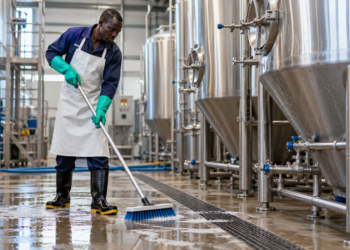
Manage your water sources strictly. Fix dripping faucets immediately. Wipe down all stainless steel prep tables until they are completely dry before closing the kitchen. Do not leave mop buckets filled with dirty water overnight. A dry, clean kitchen offers nothing for a cockroach to consume.
Inspecting Incoming Deliveries
Cockroaches rarely march through your front door. You usually bring them inside your building hidden inside deliveries. When receiving goods from the market or your main supplier, inspect the items carefully in a designated receiving area outside the main kitchen.
Check the folds of corrugated cardboard boxes for small, brown egg casings. Inspect crates of fresh produce, especially bananas and leafy greens, before moving them into your walk-in coolers. If you spot a single live insect in a delivery box, reject the shipment and send it back to the supplier immediately.
Eradicating Drain Flies and Fruit Flies
Flies present a massive hygiene risk. They land on garbage, pick up bacteria on their legs, and transfer those pathogens directly onto clean plates and fresh ingredients.
Fruit flies gather around overripe produce and empty alcohol bottles. Store fresh fruit inside coolers whenever possible. Empty your bar bins frequently and rinse out empty beer and wine bottles before throwing them into the recycling bin. Wash the bar mats and wipe down the beer taps every night to remove sticky sugar residues.
Drain flies breed inside the slimy biofilm that coats the inside of your floor drains. Pouring standard bleach down the drain does not work. The bleach simply flows over the top of the slime without killing the fly larvae buried inside it. You must use a specialized biological enzymatic cleaner. These enzymes actively consume the organic matter, destroying the breeding ground entirely. Scrub the inside of your floor drains with a stiff, long-handled brush twice a week.
Protecting Guest Rooms from Bed Bugs
Bed bugs destroy a hotel’s reputation faster than any other issue. They do not care if your property is a budget motel or a luxury resort. Guests bring them into your hotel on their luggage, clothing, and personal items.
Training Housekeeping for Early Detection
Your housekeeping staff forms your primary defense against bed bugs. You must train them to inspect the room actively during every single turnover. A bed bug is small, flat, and reddish-brown, roughly the size of an apple seed.
Require your housekeepers to strip the bed completely to the bare mattress. They must examine the piping and seams of the mattress carefully. Look for live bugs, shed skins, and tiny, rust-colored blood spots on the fabric. Check the wooden frame of the headboard, as bed bugs frequently hide in the dark cracks between the wood and the wall. Inspect the folds of the heavy window curtains and the seams of the upholstered armchairs.
If a housekeeper spots any signs of bed bugs, they must stop cleaning immediately. Do not move the linen cart into the hallway, as this spreads the insects to other rooms. Seal the room, mark it as out of order, and contact your professional pest control provider.
Laundry Management and Room Procedures
Heat kills bed bugs effectively. Ensure your commercial laundry machinery washes all bed linens and towels at a minimum temperature of 60 degrees Celsius. Run the linens through a high-heat drying cycle for at least 30 minutes.
Keep dirty laundry strictly separated from clean laundry. Never allow your staff to toss soiled sheets onto the hallway floor. Place them directly into a sealed laundry bag inside the room. Advise your guests to use the luggage racks provided in the room, rather than placing their suitcases directly on the bed.
Strengthening Your Structural Defenses
Pest control relies heavily on physical exclusion. You must make it physically impossible for pests to enter your building. Conduct a thorough exterior inspection of your property every month.
Look closely at the doors. If you can see sunlight shining under the bottom of an exterior door, a mouse can walk right in. Install heavy-duty bristle sweeps on the bottom of all exterior doors to seal the gap completely. Keep the back kitchen doors closed during service. Do not prop them open for ventilation. Install tight-fitting, fine mesh screens on all windows that you open regularly.
Seal all exterior cracks and crevices. Use expanding foam and steel wool to fill gaps around plumbing pipes, electrical conduits, and air conditioning vents where they enter the building. Check your roof for missing tiles and ensure the vents are covered with secure wire mesh to prevent birds and roof rats from nesting in your attic space.
Manage your exterior landscaping. Keep tree branches and large bushes trimmed at least three feet away from the exterior walls and rooflines. Rats use overgrown branches as convenient bridges to reach the upper levels of your building. Ensure your exterior lighting points away from the building to draw flying insects away from your entrance doors.
Integrating Professional Pest Management
Do not attempt to handle a severe commercial infestation using cheap, domestic pest sprays from a local shop. The chemicals required for commercial environments are powerful and dangerous.
The Importance of Licensed Applicators
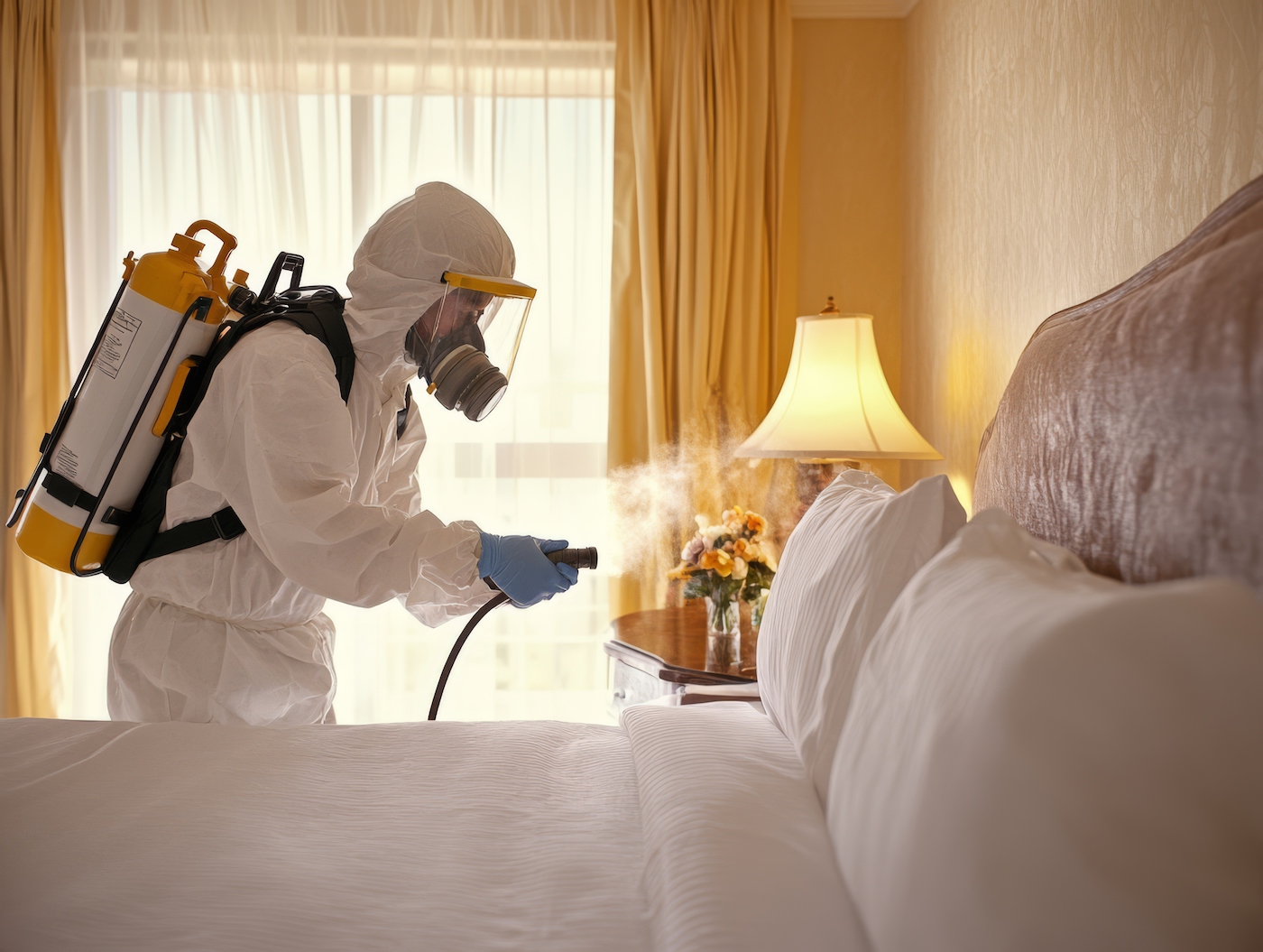
Pest control in a food handling environment requires extreme precision. Applying the wrong chemical near a prep table causes severe chemical contamination of your food supply. Licensed pest control technicians understand exactly which products are legally approved for use in commercial kitchens. They know how to apply baits and non-repellent sprays safely without endangering your staff or your guests.
Establishing a Routine Service Schedule
You need a proactive contract with a reputable pest control company. Do not wait until you see a rat to call them. Schedule monthly or bi-weekly inspections. The technician will place discrete bait stations around the exterior of your property, install specialized insect light traps in your hallways, and monitor the dark corners of your kitchen for early signs of activity.
Accompany the technician during their inspection. Ask questions and review their findings. Sawa. They will point out specific structural flaws or sanitation failures that you need to correct. Follow their recommendations immediately. A professional technician can apply the best chemicals available, but if your staff leaves food on the floor every night, the pests will always return.
Managing Waste and Refuse Areas
The area where you store your garbage attracts every type of pest in the neighborhood. You must manage your refuse zones with the same strict hygiene standards you apply to your main kitchen.
Ensure all outdoor garbage bins and dumpsters have heavy, tight-fitting lids. Never overfill a bin so that the lid remains propped open. If you have too much waste, you must increase the frequency of your garbage collection service.
Wash the inside and outside of your dumpsters regularly with hot water and a strong detergent. Scrub the concrete pad under the bins to remove spilled liquids and grease. Pests smell rotting food from a long distance. Keep the garbage area clean to avoid drawing them toward your property. Implement these changes pole pole to ensure your staff understands them and builds permanent habits.
Summary and Final Action
Securing your restaurant or hotel from pests demands consistent daily effort. You protect your business by maintaining spotless kitchen floors, sealing your dry ingredients in hard plastic containers, and fixing structural cracks immediately. You protect your guests by training your housekeeping staff to check every mattress seam and washing all linen at high temperatures.
Pest control is not a one-time task you cross off a list. It is an ongoing operational standard. Do not rely on luck to keep your property clean. Walk into your kitchen or a vacant guest room today. Inspect the area under the heavy appliances and check the window screens for tears. Fix the physical gaps in your building, enforce strict daily cleaning routines with your staff, and partner with a licensed professional to protect your hard-earned reputation.
Tags:
pest control tips for restaurants, hotel bed bugs, prevent common infestations, commercial pest management, eliminate kitchen rodents, hospitality hygiene standards, cockroach prevention.