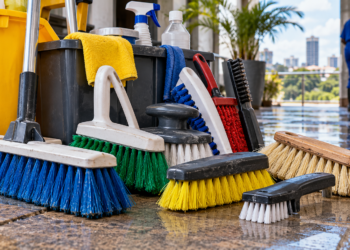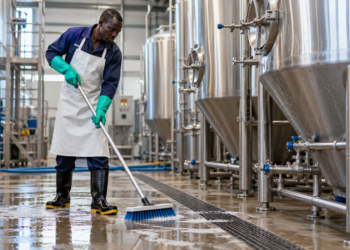

























When a guest arrives and you say Karibu, they expect a clean room. Providing a spotless, welcoming environment forms the foundation of any successful hotel, guest house, or Airbnb operation. Consistent cleanliness drives repeat bookings and protects your property’s reputation online. You cannot rely on casual observation to maintain these standards. You need a strict, structured checklist that your housekeeping staff follows every single shift. A checklist removes guesswork, prevents skipped tasks, and ensures every guest experiences the same high standard of hygiene.
This guide outlines the exact room preparation checklists professional housekeepers use to manage operations across Kenya. You will learn how to sequence daily tasks, manage commercial laundry, and handle deep cleaning schedules efficiently.
The Daily Non-Negotiables: The Departure Room Checklist
Cleaning a room after a guest checks out requires a systematic approach. Your staff must work quickly but thoroughly. The standard industry turnaround time for a complete checkout clean sits between 30 and 45 minutes, depending on the size of the room and the level of soil. You must train your team to follow a specific path around the room to avoid cross-contamination and wasted movement.
Pre-Cleaning Assessment and Air Quality
Housekeepers must knock loudly and announce their presence before entering any room, regardless of the system status. Once inside, the first step is air circulation. Open all windows and balcony doors to flush out stale air. If the property sits in a humid coastal area like Malindi or Mombasa, turn on the air conditioning or ceiling fans to dry the air and prevent mildew formation.
Next, remove all physical waste. Empty the bedroom and bathroom bins directly into a central refuse bag on the housekeeping cart. Never push the trash down with bare hands. Scan the room for forgotten items. Check under the bed, inside the wardrobe, and behind the curtains. Log any left items immediately with the front desk. Clear any used room service trays and place them in the hallway for the food and beverage team to collect.
Bedding and Linen Management
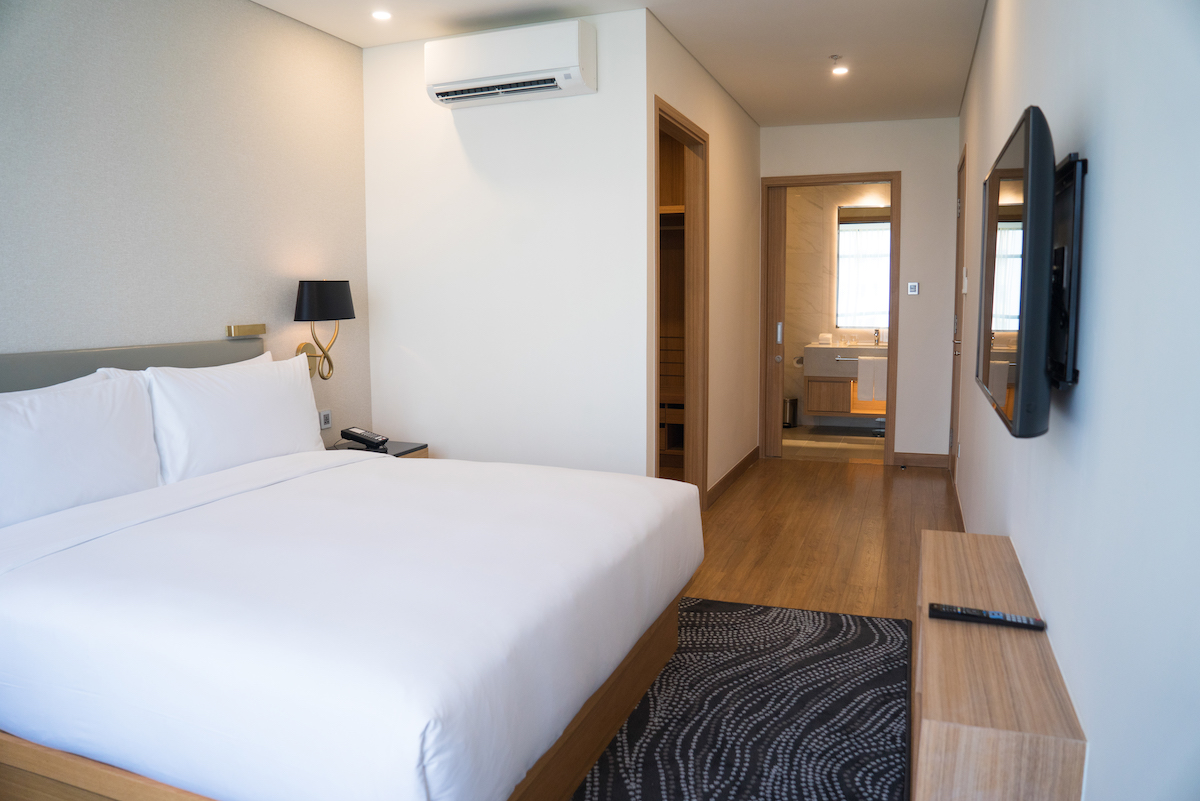
The bed is the focal point of the room. A guest will immediately notice a stained sheet or a poorly fitted duvet cover. Strip the bed completely. Remove the duvet cover, flat sheets, pillowcases, and the mattress protector. Inspect the bare mattress and the pillows for any stains, tears, or signs of bed bugs. If you spot damage or pests, stop cleaning and report the issue to your maintenance supervisor immediately.
Bundle the soiled linen and place it in a designated laundry bag. Never throw soiled sheets directly onto the floor. When making the bed, inspect the fresh linen before you place it on the mattress. Do not use items with yellowing, thinning fabric, or visible pilling. Secure the fitted sheet tightly over all four corners. Apply the flat sheet and use strict hospital corners to lock the fabric under the mattress. This technique prevents the sheets from coming loose during the night. Ensure you distribute the duvet evenly inside its cover so the bed looks flat and uniform. Plump the pillows and arrange them neatly at the head of the bed.
Surface Cleaning and High-Touch Areas
Dust falls constantly. You must clean surfaces from the top down so that dirt does not fall onto areas you just wiped. Start with ceiling fixtures, upper shelves, and the top of the wardrobe. Work your way down to the nightstands, desks, and skirting boards.
Use a clean, damp microfiber cloth and an approved all-purpose cleaner. Pay close attention to high-touch points. These areas carry the highest concentration of bacteria. You must actively sanitize the television remote, the telephone handset, all light switches, the door handles, and the safe keypad. Wipe the television screen with a dry, lint-free cloth to remove fingerprints. Clean the inside of the drawers to remove crumbs or dust. Finally, restock the tea and coffee station, ensuring you replace the sugar sachets, clean the cups, and empty the drip tray of the coffee machine.
Bathroom Sanitation Standards
The bathroom requires the most rigorous cleaning and disinfection. Guests equate the cleanliness of the bathroom directly to the overall hygiene of your hotel. You must use specific, color-coded cloths for the bathroom to prevent transferring bacteria into the bedroom. For example, use red cloths exclusively for the toilet and yellow cloths for the sink and shower.
Disinfecting Fixtures and Surfaces
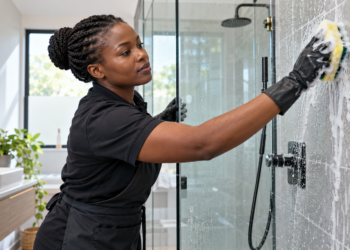
Start by applying a heavy-duty toilet bowl cleaner. Let the chemical sit and break down the limescale while you clean the rest of the bathroom. Move to the shower and bathtub. Spray a descaling agent on the glass doors, the showerhead, and the wall tiles. Scrub the grout lines with a stiff brush to remove soap scum and body oils. Rinse the walls thoroughly with hot water and dry the glass with a squeegee to prevent hard water marks.
Clean the vanity top and the sink basin. Polish the chrome faucets until they are completely free of water spots. Return to the toilet. Scrub the inside of the bowl with a toilet brush. Wipe the exterior of the tank, the seat, the lid, and the base with a separate sanitizing cloth. Pay close attention to the floor space immediately behind the toilet, as dust and hair often collect there.
Managing Towels and Amenities
Remove all damp or used towels, including the bath mat. Replace them with fresh, dry stock. Never place a damp towel in a guest room. In the rainy season, damp cotton develops a sour mildew smell within 24 hours. Fold the new towels neatly and consistently. Every bathroom in your property should present the towels in the exact same configuration.
Restock the disposable amenities. Replace empty shampoo, conditioner, and body wash bottles. Ensure the guest has at least two rolls of toilet paper. Empty the small sanitary bin, insert a new liner, and wipe the outside of the bin with a disinfectant. Finish the bathroom by sweeping the floor to remove all hair, then mop backward out of the room using a neutral floor cleaner.
The Stayover Room: Balancing Cleanliness and Privacy
Servicing a room for a guest who is staying multiple nights requires a different approach. You must balance the need for cleanliness with respect for the guest’s personal space and belongings.
Tidying Without Intruding
Knock and enter cautiously. Open the windows to refresh the air. Make the bed neatly, using the existing sheets unless the guest specifically requested a linen change or the sheets are visibly soiled. If the guest left clothes on the bed, fold them gently and place them on a chair. Do not move personal electronics, documents, or toiletries on the bathroom counter. Clean around these items carefully.
Empty the trash bins and replace the liners. Wipe the bathroom sink and the vanity top. Check the toilet and flush it if necessary. Replace any wet towels left on the floor or in the bathtub, according to your property’s environmental policy. Replenish the coffee station and top up the bottled water. Run the vacuum cleaner quickly over the high-traffic areas of the carpet. The goal is to make the room feel refreshed without making the guest feel like you disturbed their temporary home.
The Deep Cleaning Roster: Weekly and Monthly Tasks
Daily cleaning handles surface dirt. Deep cleaning preserves your physical assets and prevents long-term damage. You must schedule specific deep cleaning tasks throughout the month to maintain your property standards.
Mattress and Upholstery Care
Mattresses are expensive. Protect them by scheduling a deep vacuuming session every month. Remove the protector and use the upholstery attachment on your vacuum cleaner to pull dust mites and dead skin cells out of the mattress fabric. Rotate the mattress 180 degrees every three months to prevent sagging and ensure even wear.
Fabric armchairs and sofa beds require regular shampooing. Spot-treat small stains immediately. Schedule a professional hot water extraction clean for all carpets and upholstery at least twice a year. This removes the deep-seated dirt that regular vacuuming leaves behind and extends the life of your soft furnishings by several years.
HVAC and Appliance Maintenance
Air conditioning units circulate dust. Housekeeping or maintenance staff must remove and wash the filter screens in the split AC units every two weeks. A clogged filter forces the machine to work harder, increasing your electricity bill and reducing the cooling efficiency. Wipe down the exterior plastic housing to remove dust buildup.
Defrost the mini-refrigerators monthly. Turn the unit off, prop the door open, and let the ice melt naturally. Do not use sharp metal objects to chip the ice away, as this easily punctures the cooling coils. Clean the interior walls with a mixture of warm water and mild dish soap to remove food odors. Wipe the rubber door seals to ensure they close tightly.
Standardizing Your Laundry Process
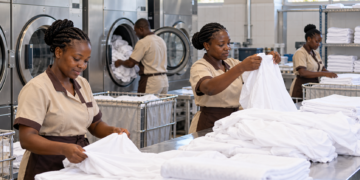
The best housekeeping checklist fails if the laundry department supplies damaged or dirty linen. Your laundry process dictates the lifespan of your sheets and towels. A complete set of commercial bed linen for one room easily costs KES 15,000. Poor washing habits force you to replace this inventory twice as fast, destroying your operational budget.
Temperature and Chemical Control
Train your laundry staff to sort heavily soiled items from lightly soiled items. Blood, makeup, and heavy food spills require immediate spot treatment before they go into the main washing machine. If you wash a red soil stain without treating it first, the heat of the water will set the stain permanently into the cotton fibers.
Use the correct water temperature. Wash standard white cotton sheets at 60 degrees Celsius to kill bacteria and dissolve body oils. Wash delicate items and heavily blood-stained linen at 30 degrees Celsius, as hot water cooks the proteins in the blood and binds them to the fabric. Measure your laundry detergent precisely. Overdosing the detergent leaves a sticky chemical residue in the towels, making them feel scratchy and stiff. Underdosing the detergent leaves the linen looking grey and smelling stale.
Ensure all linen is completely dry before storage. If you fold damp sheets and place them in a dark closet, mildew will grow rapidly. Practice the First-In, First-Out rule. When the laundry team delivers fresh linen to the storage closet, they must place the new items at the bottom or the back of the pile. This forces the housekeepers to use the older stock first, ensuring all your linen ages at the same rate.
Final Inspection and Handover
The final step of the room cleaning process is the quality control inspection. A housekeeping supervisor should inspect the room before releasing it to the front desk for the next check-in. The supervisor must walk into the room and view it from the perspective of the arriving guest.
Check the temperature of the room. It should feel comfortable immediately upon entry. Look closely at the bed to ensure the linen is tight and smooth. Turn on the television and the bedside lamps to verify the power works. Check the bathroom for stray hairs on the floor or water spots on the mirrors. Ensure all the branded collateral, such as the room service menu and the notepad, sits exactly where the standard operating procedure dictates.
If the supervisor finds a missed task, they must call the housekeeper back to correct the error immediately. This accountability ensures the staff learns from their mistakes and maintains a high level of personal responsibility for their assigned rooms. Once the room passes the inspection, the supervisor updates the property management system, signaling to the reception team that the room is ready for a new guest.
Final thought
Managing a hotel’s cleanliness requires discipline, clear communication, and strict adherence to established standards. By implementing a detailed daily checklist, you prevent small errors from becoming visible complaints. You protect your guests by sanitizing high-touch areas thoroughly. You protect your assets by scheduling regular deep cleaning for mattresses, carpets, and air conditioning units. You control your operating costs by managing your laundry chemicals and water temperatures effectively.
Take a close look at your current housekeeping procedures this week. Print a physical copy of the departure room checklist and walk through a clean room yourself. Identify one specific area where your team consistently misses a step, and schedule a 15-minute practical training session to correct that single action. Consistent, small improvements in your cleaning routine will directly increase your guest satisfaction scores over the next three months.